


Australia forecasts budget deficits for the next four years, but they’re better than expected as savings allow for higher spending. Oil prices rise 3% and stocks fall as concerns grow over the US-Iran ceasefire. And US inflation rises in April.
In our deep-dive interview, ANZ Head of G3 Economics Brian Martin says the US labour market remains structurally weak, keeping wage growth and inflation pressures down.
5 things to know in 5 minutes:
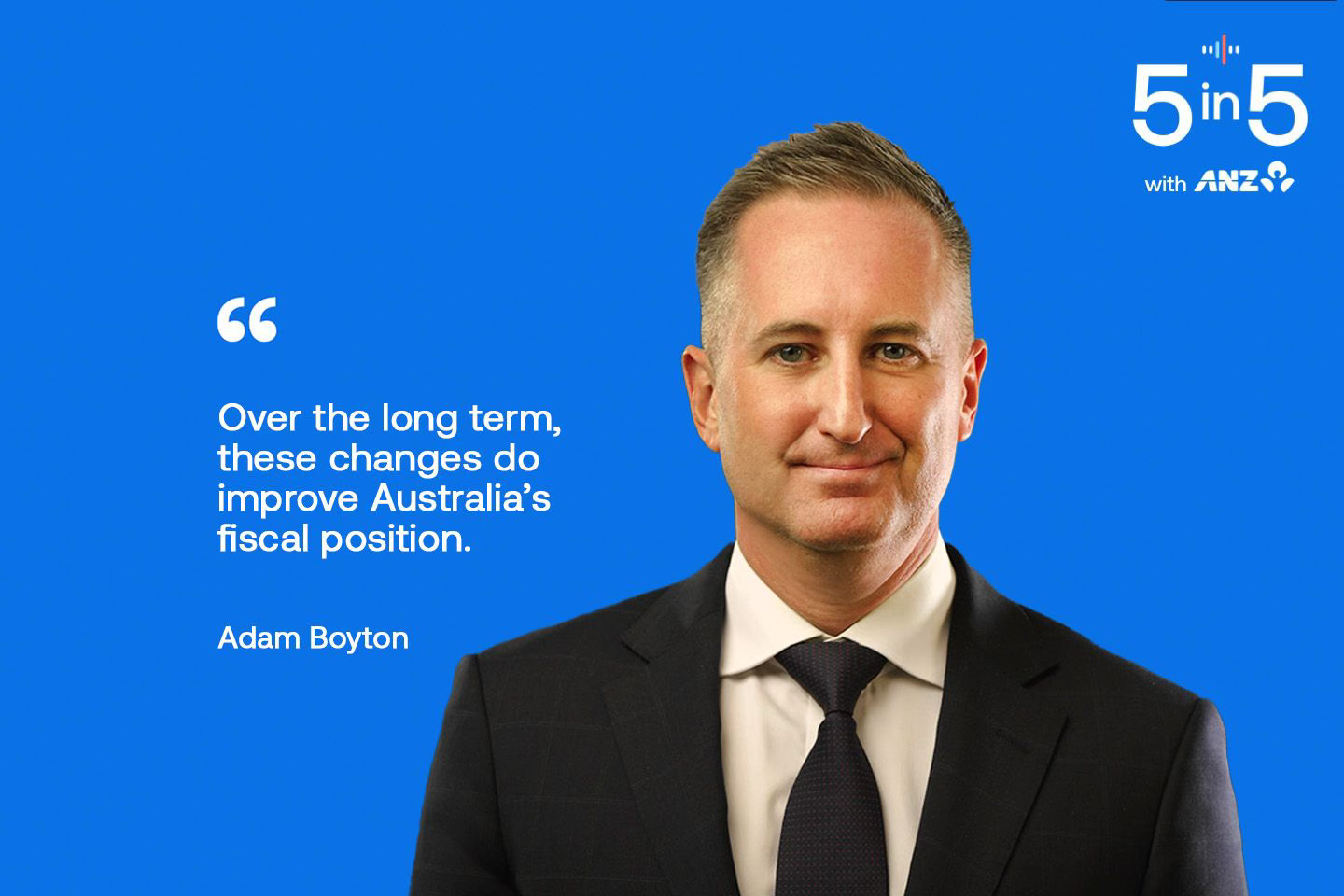
Australia’s federal budget last night contained fiscal forecasts a little better than expected, says ANZ Head of Australian Economics Adam Boyton. The underlying cash deficit is forecast to be about 1% of GDP each year through to 2028/29 - better than Treasury forecasts in December.
Adam says the fiscal policy stance in Australia is still quite supportive for growth. There was nothing in the budget, though, to dissuade ANZ Research’s view that the RBA will keep the cash rate on hold from here.
Ahead of the Budget, ANZ Roy Morgan Australian Consumer Confidence took a tumble last week as the RBA hiked rates for the third time in a row. ANZ Economist Sophia Angala says the 3.1 point fall was at least accompanied by a dip in inflation expectations.
Australian business confidence lifted slightly in April, according to NAB’s survey, although it remained deeply negative at -24 as activity indicators fell away. ANZ Economist Maddy Dunk says there were clear signs of cost pressures feeding into prices during the month.
New Zealanders drove less in April as higher fuel prices affected traffic flows, according to ANZ Research’s Truckometer index. ANZ New Zealand Chief Economist Sharon Zollner says the light traffic index gives a six month lead on the economy - and it has fallen two months in a row.
Cheers,
Bernard.
PS: Catch you tomorrow with further analysis of Australia’s Federal Budget.


