


Oil prices fall 6.5% and bond yields drop on hopes a peace deal could re-open the Strait of Hormuz. The euro is weak as European factories slow down, and Singapore reports blockbuster GDP growth.
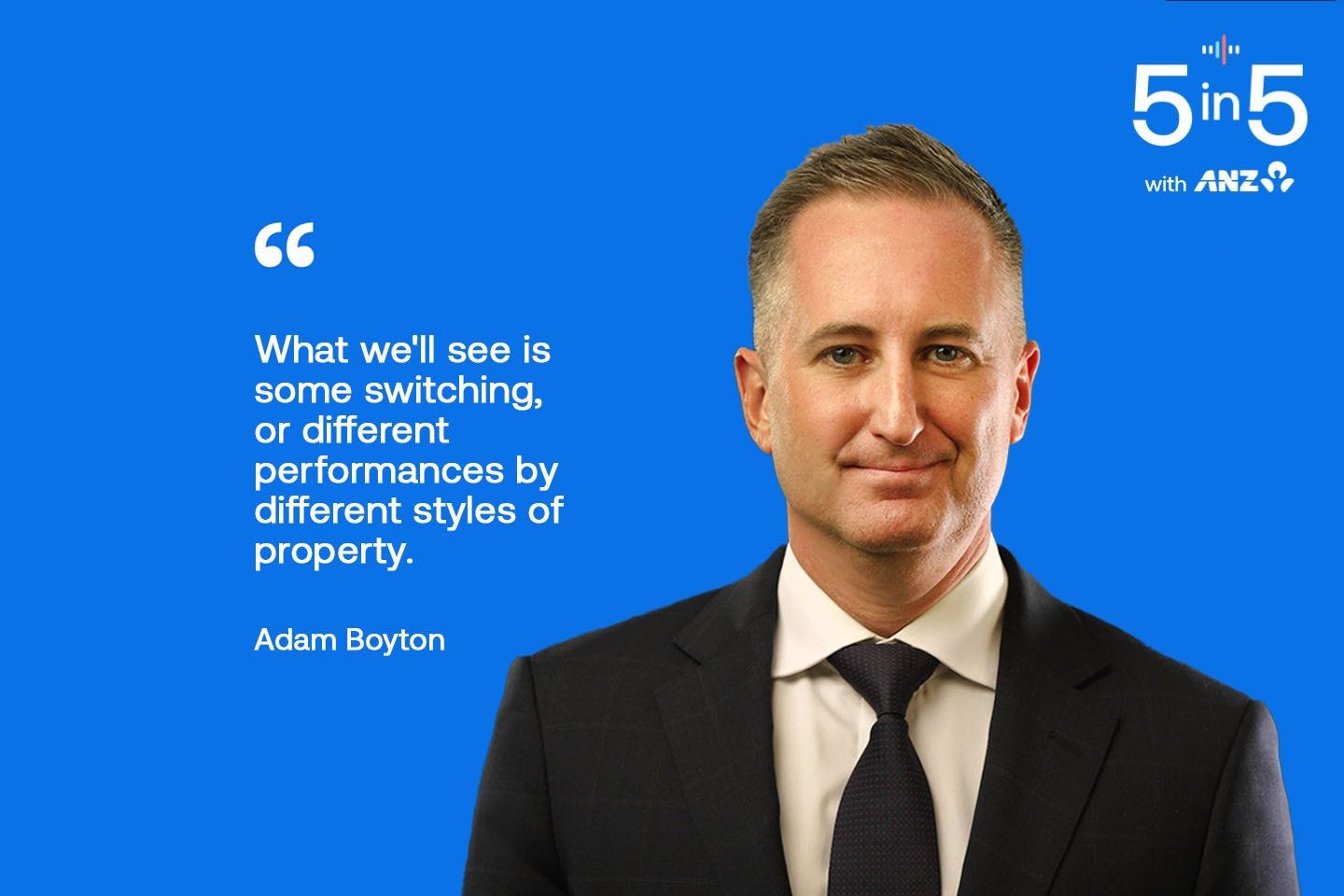
In our deep-dive interview, ANZ Head of Australian Economics Adam Boyton assesses the potential impact of Federal Budget tax changes on Australia’s property market.
5 things to know in 5 minutes:
Oil prices fell 6.5% overnight on growing hopes for a peace deal in the Iran conflict that would open up the Strait of Hormuz, albeit without an actual deal or clarification on the points where the US and Iran disagree on what they have agreed. Meanwhile, ANZ Senior Commodity Strategist Daniel Hynes says oil prices have been resilient to the risks of extreme shortages so far because of draw downs of strategic reserves and scavenging of oil from non-Middle Eastern sources.
The US dollar has eased back in recent days as hopes grew for an Iran peace deal, but has remained solid against the euro, which continues to underperform, with the potential for more disappointment, says ANZ Head of FX Research Mahjabeen Zaman.
Singapore yesterday reported 6% GDP growth in the March quarter from year ago, which was well above market expectations for growth of about 5.2%. Singapore’s position as a manufacturing hub for chips and logistics drove the result, says ANZ Head of Asia Research Khoon Goh.
Singapore also reported a fall in core inflation in April to 1.4% from a year ago from 1.7% in March, but Khoon says the Monetary Authority of Singapore is still likely to tighten in July to fend off inflationary pressures in a robust economy.
New Zealand retail trade volumes grew a solid 0.9% in the March quarter, but that only included one month of the fuel price shock, and the retail sector has a tough outlook, says ANZ Senior Economist Matt Gatt.
Cheers,
Bernard.
PS: Catch you tomorrow with a preview of tomorrow’s official cash rate decision by the Reserve Bank of New Zealand.


