


Markets wobbled overnight with conflicting accounts of when the Iran conflict might end. Bond yields fell on hope inflation may not rise too much. And we get data today on Australian lending growth and NZ business confidence.
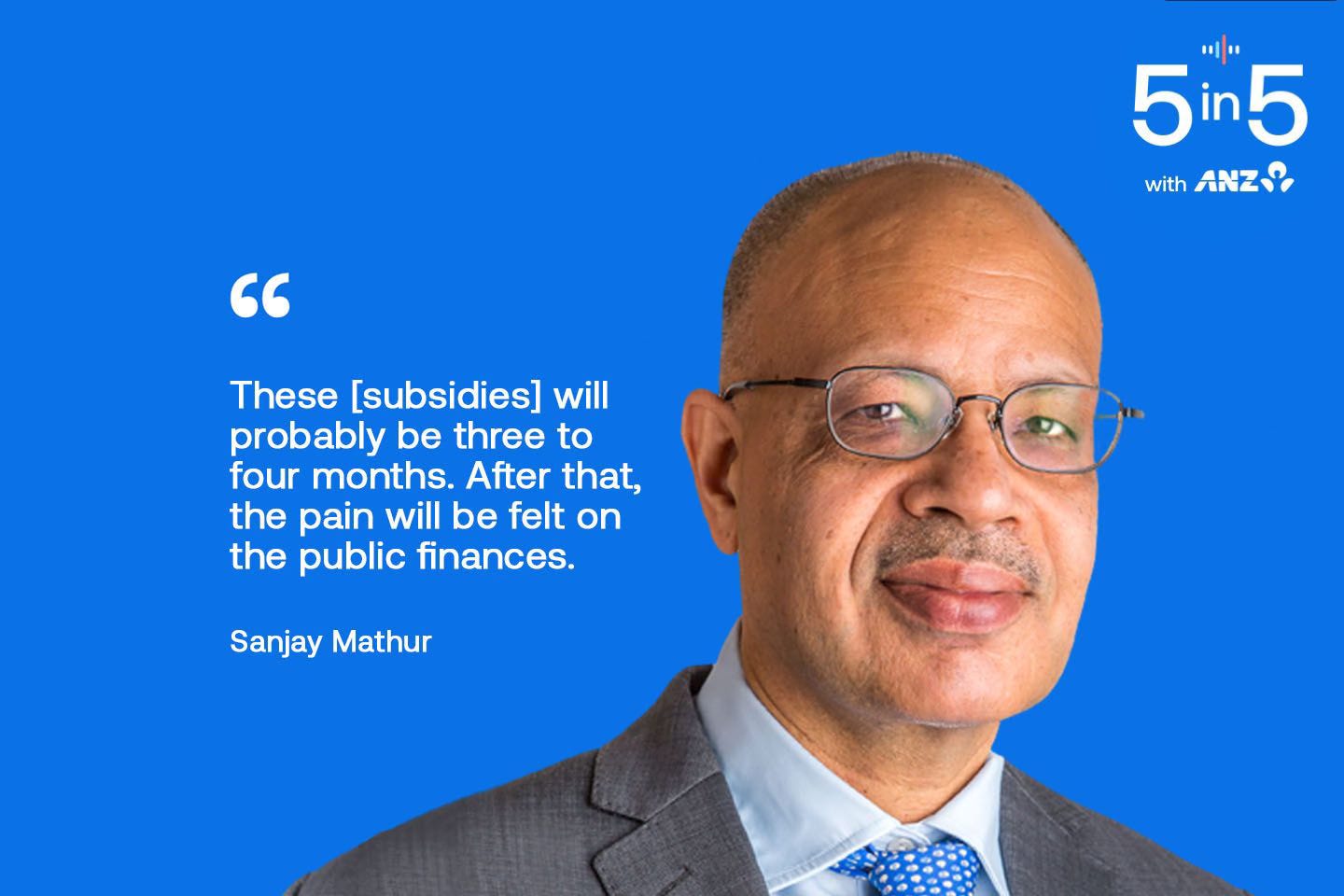
And then in our deep-dive interview,ANZ Chief Economist for Southeast Asia and India Sanjay Mathur, analyses the fiscal effects of the fuel subsidies, and how long before they may have to be abandoned.
5 things to know in 5 minutes:
Markets were volatile overnight. The US 10 year Treasury bond fell 11.7 basis points to 4.32% on hopes the conflict may not generate too much inflation. Stocks initially rose, but are drifting lower in afternoon trade in the US. It’s all about how long the Strait of Hormuz stays closed. Sanjay says the fiscal pain for Asian Governments will really kick in after three to four months.
Australia reports private sector credit data for February today, with ANZ Economist Maddy Dunk expecting a slight bounce to monthly growth of 0.6% from 0.5% in January.
Maddy sees credit growth into Australia’s housing sector being steady and a bounce in business loans.
ANZ’s New Zealand business confidence survey comes out this afternoon. ANZ New Zealand Chief Economist Sharon Zollner says the results will be fresh with the latest activity report after the energy shock news.
Also in New Zealand, jobs growth was slower than expected in February, says ANZ Economist Miles Workman.
Cheers
Bernard.
PS: Catch you tomorrow with the results from that Australian credit growth in February and New Zealand business confidence in March.


