


Oil prices rise as much as 9% after the US and Iran trade strikes, and after Donald Trump says negotiations to re-opening of the Strait of Hormuz are over. US and European rate hike expectations grow, and the Reserve Bank of New Zealand (RBNZ) hikes for the first time since 2023.
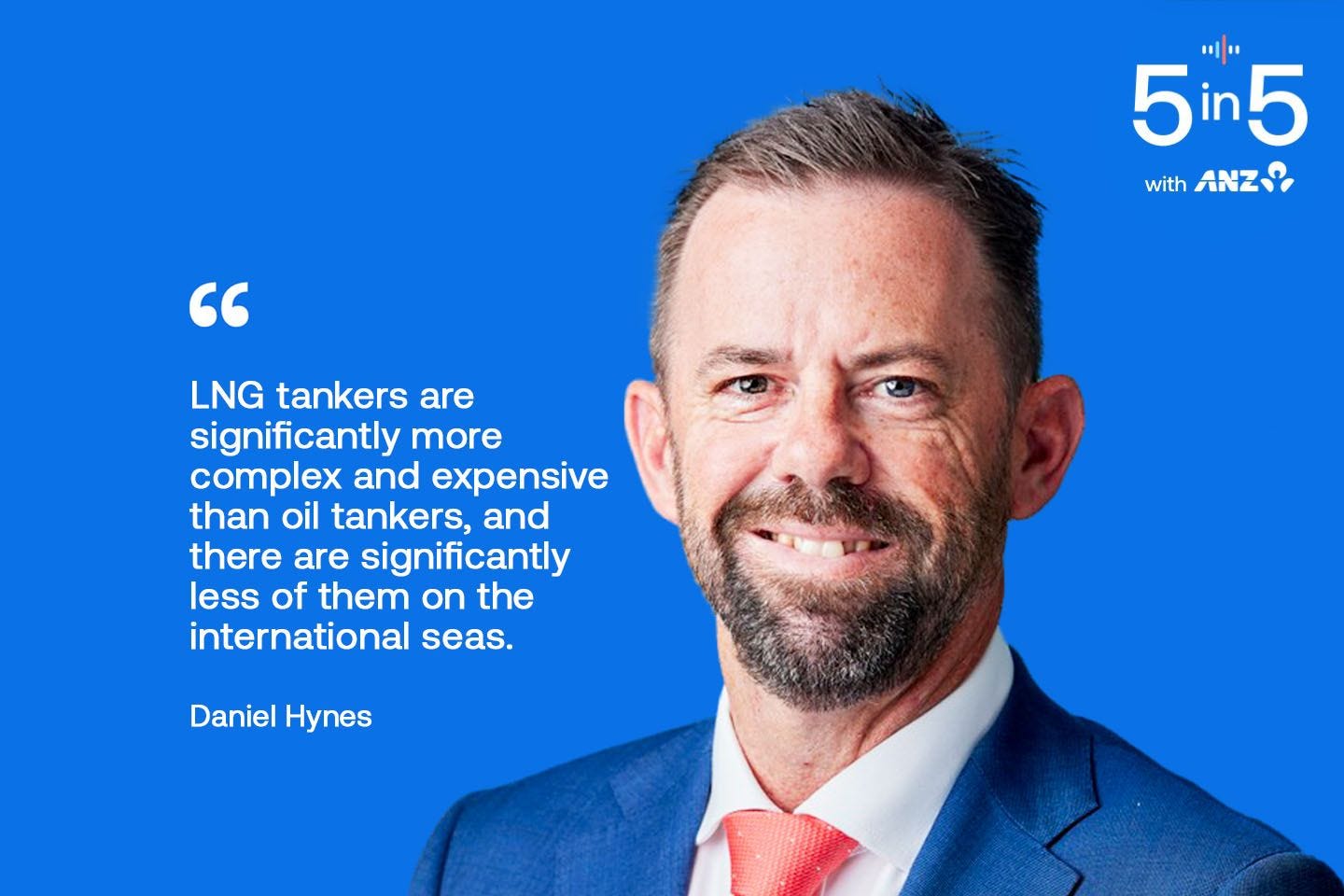
In our deep-dive interview, ANZ Senior Commodities Strategist Daniel Hynes explains why the scarcity of LNG tankers means global gas markets will take much longer to normalise than oil markets when, or if, the Strait of Hormuz re-opens.
5 things to know in 5 minutes:
Donald Trump says talks to reopen the Strait of Hormuz are “over” as he threatened more strikes on Iran. Oil prices jumped as much as 9% overnight, with Brent crude briefly above US$80 a barrel again. That saw financial markets shift their expectations back towards rate hikes sooner rather than later in Europe, the US and the UK. Meanwhile, the Reserve Bank of New Zealand raised its official cash rate by 25 basis points to 2.5% yesterday, as most expected, in what ANZ New Zealand Chief Economist Sharon Zollner called a “dovish hike.”
Sharon says there wasn’t much reaction on interest rate markets, but the New Zealand dollar bounced.
Sharon says she shares the RBNZ’s optimism that the economy can grow this year, even with the rate hike and the usual caveats about oil prices. ANZ Research sees two more OCR hikes this year to 3.0%.
The People’s Bank of China has announced steps to strengthen the status of Hong Kong as the financial centre for China’s renminbi internationalisation, says ANZ Greater China Chief Economist Raymond Yeung.
Raymond says the Chinese authorities are naturally cautious about loosening their capital controls, but see Hong Kong as the best place to do it.
Cheers,
Bernard.
PS: Catch you tomorrow with the results of consumer price inflation and producer price inflation data from China’s economy.


