


Global markets bracing for a ramping up of the Iran conflict after this week’s US mid-term elections, that could push oil prices over US$120 barrel. Taiwan’s growth beats forecasts. And the Bank of Japan holds.
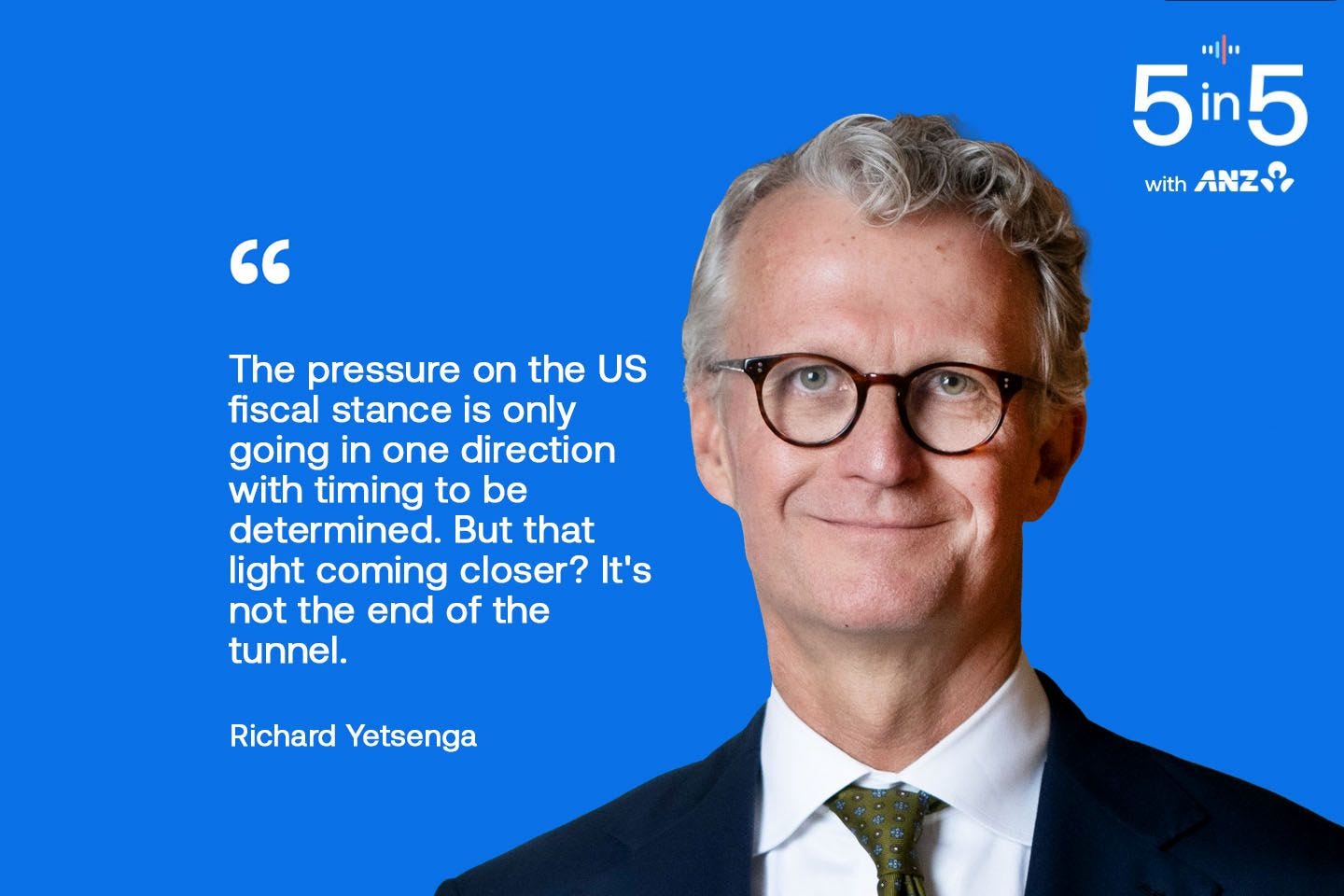
In our deep-dive interview, ANZ Group Chief Economist Richard Yetsenga looks at two big themes – global economic resilience and worries about fiscal sustainability, particularly in the US.
5 things to know in 5 minutes:
Global financial markets begin the week in a volatile and nervous mood. The Nasdaq closed on Friday down 2.9% on renewed concerns about the profitability of the AI and data centre boom, including signs of distress in debt markets used to fund the boom. But it is the oil market in focus this week, with US sources warning allies in the Middle East they could ramp up attacks on Iran as soon as this week’s US mid-term elections are over. ANZ Research’s Senior Commodities Strategist Daniel Hynes increased his oil price for the end of the year to over US$100 a barrel.
Daniel says a resumption of attacks on Iran after the midterms could see the oil price spike well over US$120 a barrel.
Taiwan reported GDP growth in the September quarter of 14.4% from a year ago, which has prompted ANZ’s Chief Economist for Greater China Raymond Yeung to upgrade his forecast for Taiwan GDP this year and next. It’s all about the boom in Taiwan’s chip exports for AI and data centres.
Japan’s core inflation rate rose to 2.4% in September from 1.9%, reinforcing the pressure on the Bank of Japan to hike again, although not on Friday, when the central bank left rates on hold as expected. Here’s ANZ FX Strategist Preksha Jain.
New Zealand consumer confidence fell in October. ANZ New Zealand Chief Economist Sharon Zollner says consumers are feeling the pressure from higher fuel prices.
Cheers,
Bernard.
PS: Catch you tomorrow with a closer preview of the Reserve Bank of Australia’s expected hike in the Cash Rate.


